SGIP Incentive in California and the Energy Efficiency Audit (EEA) Requirement
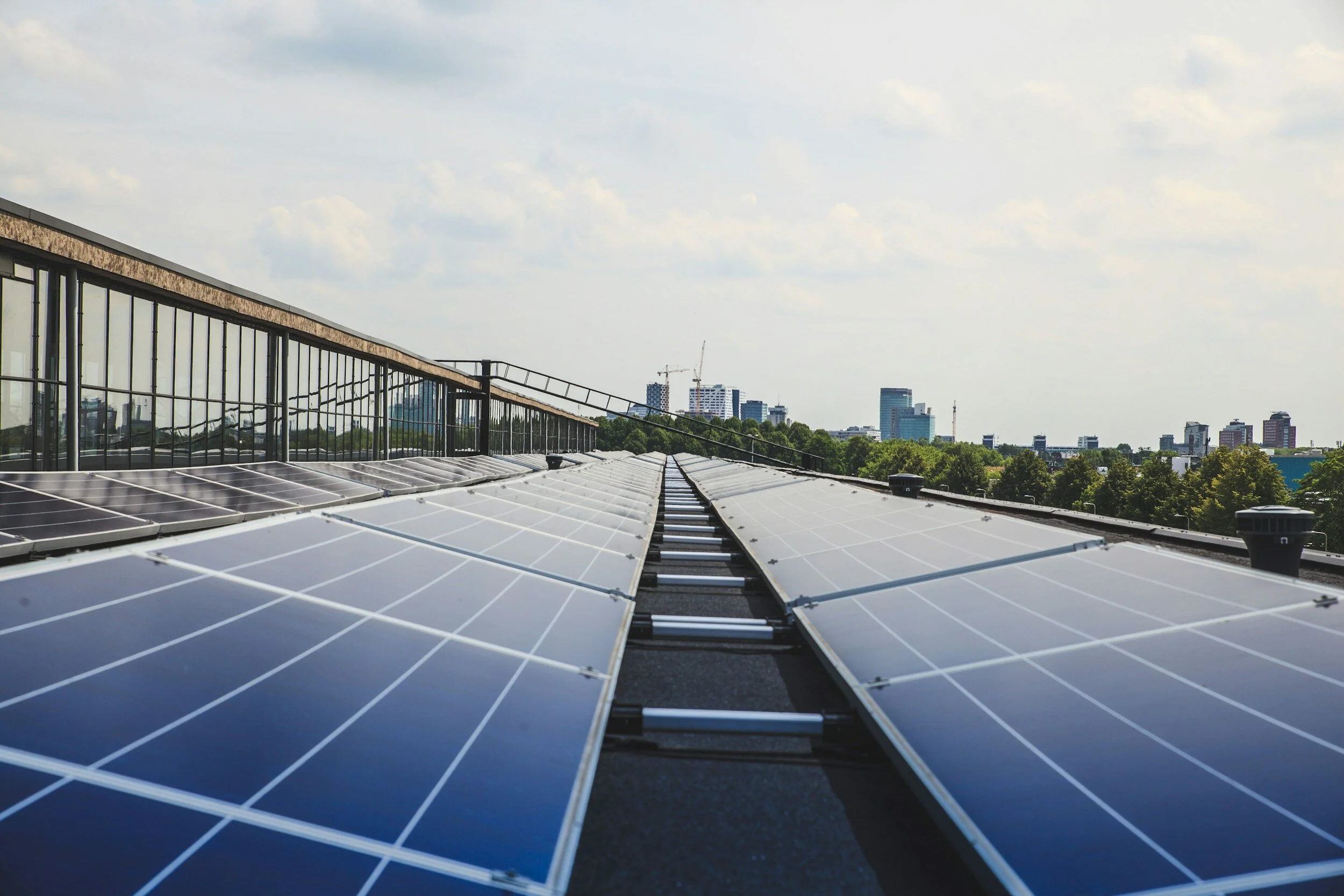
The Self-Generation Incentive Program (SGIP) is a critical component of California's strategy to encourage energy independence, enhance grid reliability, and support the state's ambitious climate goals. SGIP provides financial incentives for the installation of energy storage systems and other technologies that can generate electricity on-site, thus reducing demand on the grid during peak periods. This article delves into the nuances of SGIP, with a special focus on the energy efficiency audit (EEA) requirement integral to the application process.
Understanding SGIP
SGIP was established by the California Public Utilities Commission (CPUC) in 2001 to offer rebates for qualifying technologies, including wind turbines, waste heat to power technologies, pressure reduction turbines, and, notably, energy storage systems. The latter has gained significant attention as it plays a pivotal role in stabilizing the grid and integrating renewable energy sources, such as solar power.
The program targets residential, commercial, industrial, and agricultural customers, providing them with financial incentives to adopt on-site power generation and storage solutions. By doing so, SGIP aims to reduce greenhouse gas emissions, improve air quality, and enhance energy reliability, especially during emergencies or natural disasters.
Energy Efficiency Audit (EEA) Requirement
A key prerequisite for participating in SGIP is the energy efficiency audit. This requirement underscores California's holistic approach to energy management, emphasizing not only the generation of clean energy but also the efficient use of energy. Here's a closer look at this requirement:
Purpose
The energy efficiency audit aims to ensure that applicants optimize their energy usage before adding self-generation and storage capacities. This step is based on the principle that the most cost-effective and environmentally friendly kilowatt-hour is the one not used. By conducting an audit, applicants can identify and implement energy-saving measures, thus reducing the overall size and cost of the energy systems needed to meet their energy demands.
Process
The audit involves a thorough assessment of the applicant's current energy usage, including an examination of the building's envelope (windows, doors, insulation), HVAC systems, lighting, appliances, and other significant energy users. The auditor will provide recommendations for improvements, such as upgrading to energy-efficient appliances, adding insulation, or installing LED lighting.
For residential applicants, the energy efficiency audit might be less comprehensive but still aims to identify significant energy-saving opportunities. Commercial and industrial applicants may undergo a more detailed audit, reflecting the complexity and scale of their energy use.
Compliance
Applicants must complete the energy efficiency audit before or shortly after applying for SGIP incentives. The specific requirements, including the audit's scope and timing, may vary depending on the utility administering the program and the type of applicant (e.g., residential vs. commercial). It's crucial for applicants to consult with their utility or a program administrator to understand the exact requirements.
Benefits of Compliance
Beyond meeting the SGIP application requirement, conducting an energy efficiency audit offers several benefits. It can lead to substantial energy and cost savings, improve comfort and air quality inside buildings, and contribute to environmental conservation. Moreover, implementing recommended efficiency measures can enhance the feasibility and performance of the energy storage or generation systems installed through SGIP, maximizing the return on investment.
Summary
The SGIP incentive in California, with its energy efficiency audit requirement, represents a comprehensive approach to promoting sustainable energy solutions. By encouraging the adoption of energy storage and generation technologies while emphasizing energy efficiency, California is leading the way toward a more sustainable and resilient energy future. For those looking to participate in SGIP, understanding and complying with the energy efficiency audit requirement is a critical step in leveraging the full benefits of this innovative program.
Dena Energy is a provider of energy efficiency audits (EEA) for industrial and commercial facilities, as required in the SGIP application. Contact us today for a free consultation.