Net Energy Metering 3.0 (NEM 3.0) in California: Impact on Solar Projects
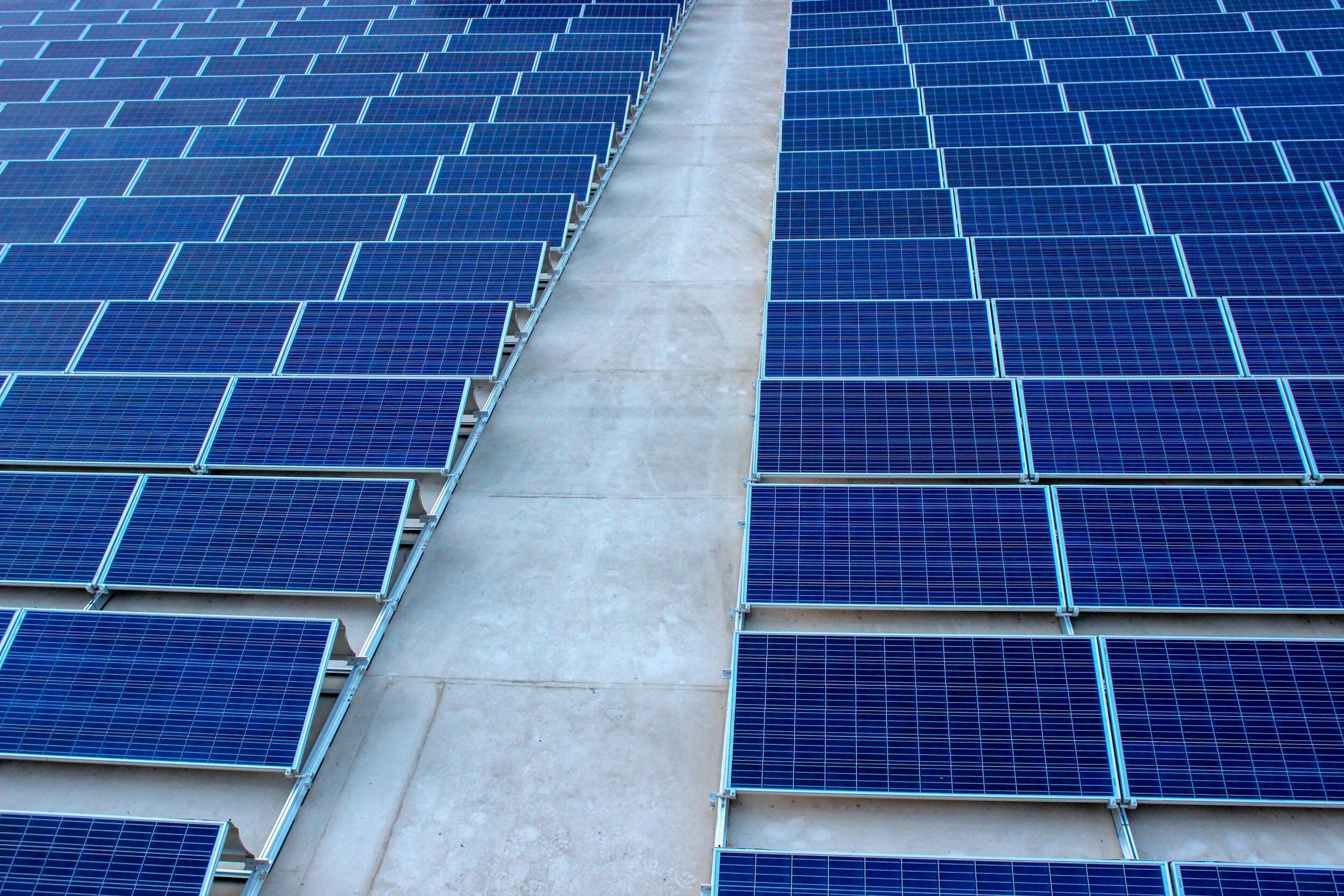
California recently introduced Net Energy Metering (NEM) 3.0, marking a significant shift in the state's approach to managing renewable energy generation systems. This new iteration of the NEM policy has substantial implications for the economic feasibility of solar projects. This article briefly explores how NEM 3.0 influences the landscape for renewable energy projects in California.
Understanding Net Energy Metering (NEM) 3.0
Net Energy Metering is a billing mechanism that credits solar energy system owners for the electricity they add to the grid. Under NEM, when solar panels produce more electricity than the home uses, the excess energy is sent back to the grid in exchange for credits. Later, these credits can be used to draw from the grid when the solar system produces less than the home’s demand.
With the increased installation of solar generation capacity in recent years, the electricity demand profile has changed, resulting in excess capacity during early afternoon hours; this leads to curtailment of solar- and wind-powered electricity generation to balance supply and demand in the grid.
NEM 3.0 introduces changes aimed at better aligning the compensation for solar energy with its actual value to the grid, which varies by time of day and the current demand for electricity. These changes include:
Time-of-Use (TOU) Rates: NEM 3.0 emphasizes TOU rates more heavily, adjusting the value of energy based on the time it is produced and consumed. This means solar energy generated during peak demand hours will be more valuable than that produced when demand is low.
Reduced Export Rates: The new policy reduces the compensation rates for excess solar energy sent back to the grid, making self-consumption more financially attractive.
Non-Bypassable Charges (NBCs): Customers under NEM 3.0 may be subject to NBCs for the electricity they consume from the grid, which cannot be offset by credits earned from excess production.
The introduction of NEM 3.0 has adversely affected the financial returns of new renewable generation projects, resulting in a sharp decline in new PV installation projects in California. Amid the changes, proper sizing of the solar PV system is more critical than ever before. Oversizing and excess generation are no longer rewarded as generously as in the past, meaning that over-generation during off-peak hours can directly diminish the project's return on investment (ROI).
Enhanced Value of Battery Storage and SGIP
The changes brought by NEM 3.0 significantly enhance the value proposition of adding battery storage to solar projects, especially taking into account the self-generation incentive program (SGIP) incentives for the project. Batteries allow the facility owners to store excess solar power generated during the non-peak hours (i.e. late morning and early afternoon) to use it during peak hours, when electricity from the grid is most expensive. This capability aligns perfectly with the TOU rates structure of NEM 3.0, optimizing the financial returns of energy production and consumption.
Our Solution
Maximizing the effectiveness of solar PV projects necessitates precise calibration of the solar PV system size, tailored to the facility's hourly electricity demand and anticipated demand fluctuations. Dena Energy delivers optimal sizing through our proprietary algorithm, meticulously considering both the cost of system components and available incentives. Contact us today for a free consultation about your potential energy projects.